Data Security for US Digital Nomads: 2026 Checklist

Anúncios
For US digital nomads, ensuring robust data security in 2026 is paramount to safeguarding personal and professional information while navigating diverse global networks and potential cyber threats.
Anúncios
Embarking on the digital nomad lifestyle promises unparalleled freedom, but with that freedom comes the critical responsibility of protecting your digital life. As a US digital nomad in 2026, understanding and implementing robust strategies for ensuring data security for US digital nomads: a 2026 checklist for protecting your information is not just recommended, it’s essential. Are you prepared to face the evolving landscape of cyber threats while working from anywhere in the world?
Understanding the Evolving Threat Landscape for Digital Nomads
The allure of working from a beach in Thailand or a café in Paris often overshadows the inherent risks associated with constant travel and reliance on public networks. For US digital nomads, the threat landscape is dynamic and multifaceted, evolving rapidly with new technologies and sophisticated cybercriminal tactics. Staying informed about these threats is the first line of defense against potential data breaches and identity theft.
Anúncios
In 2026, cybercriminals are more organized and technologically advanced than ever. They target digital nomads specifically, knowing that they often use unsecured Wi-Fi networks, carry multiple devices, and may have less stringent security protocols than a corporate office environment. The global nature of digital nomadism also exposes individuals to varying legal frameworks regarding data privacy and cybersecurity, which can complicate recovery efforts if an incident occurs.
Common Cyber Threats in 2026
Understanding the specific threats you might encounter is crucial for effective prevention. These can range from simple phishing scams to advanced persistent threats.
- Phishing and Social Engineering: Increasingly sophisticated emails, messages, and calls designed to trick you into revealing sensitive information or clicking malicious links.
- Unsecured Wi-Fi Networks: Public networks in cafes, airports, and hotels are often ripe for eavesdropping and man-in-the-middle attacks, allowing attackers to intercept your data.
- Malware and Ransomware: Malicious software that can infect your devices, steal data, or lock you out of your systems until a ransom is paid.
- Physical Device Theft: Laptops, smartphones, and external drives are attractive targets for thieves, especially in unfamiliar environments.
Beyond these, state-sponsored attacks and corporate espionage are also concerns, particularly for those working in sensitive industries. The sheer volume of data processed by digital nomads, from client information to personal financial details, makes them prime targets. Therefore, a proactive and adaptive approach to data security is indispensable for thriving in the digital nomad lifestyle.
Fortifying Your Digital Devices: A 2026 Baseline
Your devices are your lifeline as a digital nomad, acting as your office, communication hub, and entertainment center. Consequently, securing them should be a top priority. In 2026, basic password protection is no longer sufficient; a multi-layered approach is essential to create a robust defense against unauthorized access and data loss. This involves a combination of software, hardware, and behavioral practices.
Start with ensuring all your operating systems, applications, and firmware are consistently updated. Software vulnerabilities are frequently exploited by attackers, and updates often contain critical security patches. Automate updates whenever possible to avoid missing crucial protections, especially when you might be in areas with unreliable internet access. Furthermore, consider using enterprise-grade security software, even for personal devices, as they often offer more advanced threat detection and prevention capabilities.
Essential Device Security Measures
Beyond updates, several other measures form the bedrock of device security for digital nomads.
- Strong, Unique Passwords and Password Managers: Use complex, unique passwords for every account. A reputable password manager is indispensable for generating, storing, and auto-filling these credentials securely.
- Multi-Factor Authentication (MFA): Enable MFA on all accounts that support it. This adds an extra layer of security, typically requiring a code from your phone or a biometric scan in addition to your password.
- Full Disk Encryption: Encrypt your laptop’s hard drive and any external storage devices. This ensures that even if your device is stolen, your data remains unreadable without the encryption key.
- Remote Wipe and Tracking Software: Install software that allows you to remotely locate, lock, or wipe your devices if they are lost or stolen. This can prevent sensitive data from falling into the wrong hands.
Remember to regularly back up your data to secure cloud storage or encrypted external drives. Accidents happen, and hardware can fail. Having a reliable backup strategy means you can recover quickly from data loss without significant disruption to your work or life. A secure device is the foundation upon which all other data security practices are built.
Navigating Public Networks Safely: VPNs and Beyond
One of the biggest security challenges for digital nomads is the frequent reliance on public Wi-Fi networks. These networks, found in cafes, airports, and hotels, are inherently less secure than private networks and are often targeted by cybercriminals. Without proper precautions, using public Wi-Fi can expose your sensitive data to interception, making it a critical area for digital nomad data security.
The cornerstone of safe public network usage in 2026 is a high-quality Virtual Private Network (VPN). A VPN encrypts your internet traffic and routes it through a secure server, effectively creating a private tunnel over a public network. This makes it extremely difficult for anyone to snoop on your online activities, protecting your communications, browsing history, and sensitive data from prying eyes.
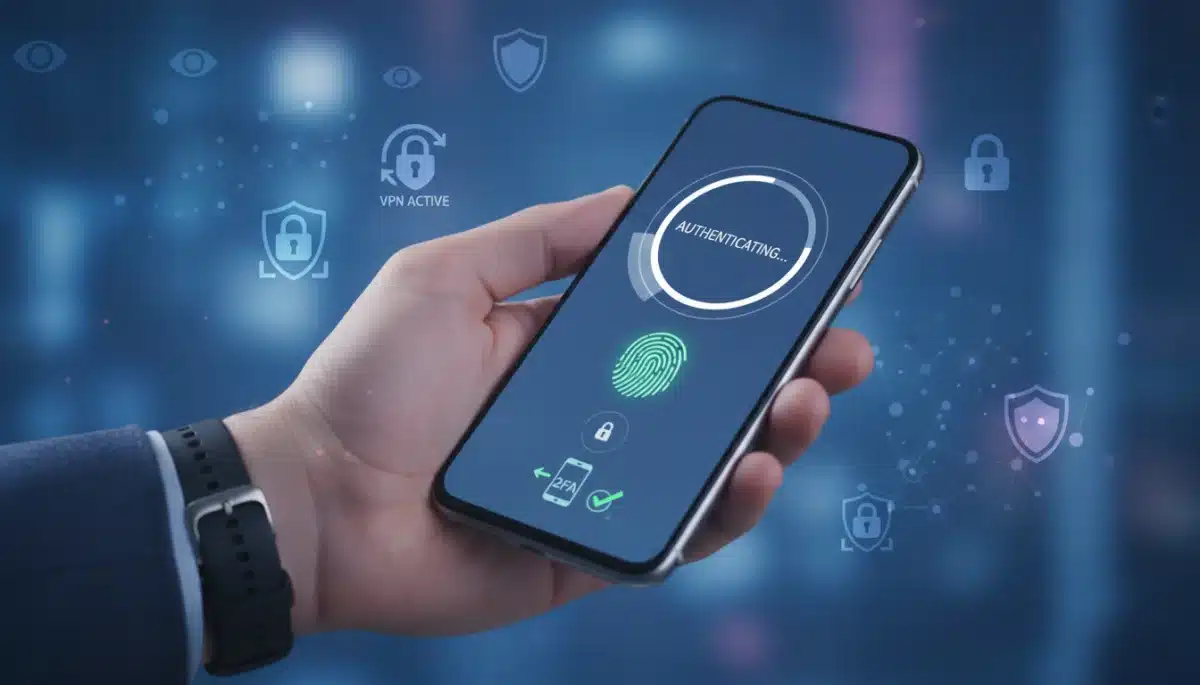
When selecting a VPN, prioritize providers with a strict no-logs policy, strong encryption standards (like AES-256), and servers in various locations. Avoid free VPNs, as they often compromise on security or sell user data. Beyond VPNs, consider these additional measures:
Advanced Network Protection Strategies
- Always Use HTTPS: Ensure websites you visit use HTTPS (indicated by a padlock icon in your browser’s address bar), which encrypts communication between your browser and the site.
- Disable File Sharing: Turn off file sharing features when connected to public networks to prevent unauthorized access to your device’s files.
- Use a Personal Hotspot: Whenever possible, use your smartphone’s personal hotspot with a strong password instead of public Wi-Fi. This provides a more secure connection, though data limits apply.
- Consider a Travel Router: A portable travel router can create a private, secure Wi-Fi network from a public connection, adding an extra layer of encryption and protection for all your devices.
Even with these precautions, maintain a healthy skepticism when online. Be wary of suspicious emails, unsolicited messages, and unusual requests. Never assume a public network is secure, and always act with caution, especially when handling sensitive information. Your vigilance is a crucial component of your overall data security strategy.
Securing Your Data in the Cloud and Beyond
Cloud services are indispensable for digital nomads, offering accessibility and flexibility for storing files, collaborating on projects, and backing up essential data. However, the convenience of cloud storage comes with its own set of security considerations. In 2026, simply using a reputable cloud provider isn’t enough; you must actively secure your cloud data to prevent unauthorized access and maintain privacy, making it a key aspect of ensuring data security for US digital nomads.
Start by evaluating the security features offered by your chosen cloud providers. Look for end-to-end encryption, multi-factor authentication for account access, and clear privacy policies. Understand where your data is stored geographically, as this can have implications for legal access and data sovereignty. For highly sensitive information, consider using client-side encryption before uploading files to the cloud, meaning the data is encrypted on your device before it ever reaches the provider’s servers.
Best Practices for Cloud and Data Storage
Beyond selecting secure providers, your practices significantly impact your cloud data’s safety:
- Strong, Unique Passwords and MFA: As with all online accounts, use robust, unique passwords and enable MFA for all cloud services.
- Regular Backups: While cloud services provide some redundancy, don’t rely solely on them for critical data. Implement a 3-2-1 backup strategy: three copies of your data, on two different media types, with one copy offsite (e.g., encrypted external drive, another cloud service).
- Access Control and Permissions: Be judicious about who has access to your shared cloud folders. Regularly review and revoke permissions that are no longer needed.
- Encrypt Sensitive Files Locally: For extremely sensitive documents, encrypt them on your local device before uploading them to any cloud service. Tools like VeraCrypt or BitLocker can be invaluable here.
Furthermore, be mindful of what you store in the cloud. Avoid uploading unnecessary sensitive personal information or proprietary client data unless absolutely required and properly secured. Regularly audit your cloud storage to delete old, unneeded files that could pose a risk if compromised. Your diligent management of cloud resources is as important as the security features provided by the service itself.
Identity Protection and Digital Footprint Management
As a digital nomad, your digital footprint is extensive, spanning various online platforms, social media, and communication channels. Protecting your identity and managing this footprint is crucial for preventing identity theft, scams, and unwanted attention. In 2026, identity protection goes beyond just guarding your passport; it encompasses every piece of information that makes up your online persona, which is integral to digital nomad data security.
Regularly review your privacy settings on social media platforms and other online services. Limit the amount of personal information you share publicly, especially details that could be used to guess passwords or answer security questions. Avoid posting your current location in real-time, as this can make you a target for physical theft or surveillance. Be cautious about accepting connection requests from unknown individuals, as they could be phishing attempts or social engineering tactics.
Key Strategies for Identity and Footprint Management
- Privacy Settings Audit: Periodically review and tighten privacy settings on all social media and online accounts.
- Limit Public Information: Share as little personal information as possible publicly. Avoid posting travel itineraries, home addresses, or excessive personal details.
- Identity Theft Protection Services: Consider subscribing to an identity theft protection service that monitors for suspicious activity related to your personal information.
- Secure Communication: Use encrypted messaging apps and email services for sensitive communications.
- Professional vs. Personal Separation: Maintain clear boundaries between professional and personal online identities where possible. Use separate email addresses and social media profiles for work.
Be vigilant about the information you provide to third-party services, especially when signing up for local services in new countries. Always question why certain information is needed and if there are alternatives. A proactive approach to managing your digital identity can significantly reduce your risk of becoming a victim of identity theft, ensuring your peace of mind as you explore the world.
Emergency Preparedness and Incident Response
Even with the most rigorous security measures, incidents can still occur. A lost device, a data breach, or an identity theft attempt can be particularly disruptive when you’re thousands of miles from home. Therefore, having a solid emergency preparedness and incident response plan is a non-negotiable part of ensuring data security for US digital nomads. This plan should outline the steps to take immediately following a security incident to minimize damage and facilitate recovery.
Your plan should start with knowing whom to contact. Compile a list of important contacts, including your bank’s fraud department, credit card companies, local authorities (if applicable), your employer’s IT support, and any identity theft protection services you use. Keep this list securely stored, perhaps encrypted on a separate device or in a physical, secure location, not just on the device that might be compromised.
Developing Your Incident Response Plan
- Data Backup Strategy: Ensure your backups are current and accessible. If a device is compromised, you’ll need recent backups to restore your data safely.
- Remote Wipe Capabilities: Know how to activate remote wipe features on your devices. Practice this process if possible to ensure you can execute it quickly under stress.
- Password Reset Protocol: Have a plan for rapidly changing all your critical passwords if an account is compromised.
- Fraud Alerts: Know how to place fraud alerts or credit freezes with credit bureaus in the US (Equifax, Experian, TransUnion) to prevent unauthorized accounts from being opened in your name.
- Travel Insurance Review: Understand what your travel insurance covers regarding device theft or data loss. Some policies offer cyber-specific coverage.
After an incident, it’s crucial to document everything: dates, times, what happened, who you contacted, and any reference numbers. This documentation will be invaluable for insurance claims, police reports, or any legal follow-up. While no one wants to think about security incidents, being prepared can significantly reduce the stress and impact, allowing you to quickly get back to enjoying your digital nomad life.
Continuous Learning and Adaptation for 2026 and Beyond
The world of cybersecurity is constantly evolving. What is considered best practice today might be outdated tomorrow. For US digital nomads, continuous learning and adaptation are not just good ideas; they are fundamental requirements for maintaining robust data security in 2026 and into the future. Staying informed about the latest threats, vulnerabilities, and protective technologies is an ongoing process that empowers you to safeguard your digital life effectively.
Make it a habit to regularly read reputable cybersecurity news sources, follow security experts on social media, and participate in forums or communities dedicated to digital nomad security. Many technology companies and non-profits also offer free resources, webinars, and guides that can help you stay current. Consider dedicating a small amount of time each month to review your security practices and learn about new developments.
Staying Ahead of the Curve
- Subscribe to Security Newsletters: Get updates on the latest cyber threats and security tips directly to your inbox.
- Attend Virtual Workshops/Webinars: Many organizations offer online sessions on cybersecurity best practices, often tailored to remote workers.
- Regularly Review Security Software: Ensure your antivirus, VPN, and other security tools are up-to-date and configured optimally.
- Practice Good Digital Hygiene: Reinforce habits like thinking before clicking, verifying sources, and using strong authentication.
Furthermore, periodically reassess your entire security posture. As your travel patterns change, or as new work requirements emerge, your security needs might shift. What worked in a low-risk environment might not be sufficient in a higher-risk region. Being adaptable and willing to adjust your security measures ensures that your data remains protected, no matter where your digital nomad journey takes you. This proactive mindset is the ultimate defense in the ever-changing digital landscape.
| Key Security Area | Brief Description for Nomads |
|---|---|
| Device Hardening | Implement strong passwords, MFA, full disk encryption, and remote wipe capabilities on all devices. |
| Secure Network Access | Always use a reputable VPN on public Wi-Fi, disable file sharing, and prefer personal hotspots. |
| Cloud Data Protection | Utilize strong cloud security features, client-side encryption for sensitive files, and regular backups. |
| Identity & Incident Response | Manage digital footprint, use identity theft services, and have a clear plan for security incidents. |
Frequently Asked Questions About Digital Nomad Data Security
Digital nomads frequently use public Wi-Fi, travel with multiple devices, and are exposed to varying international cybersecurity laws, making them more vulnerable to cyber threats, device theft, and identity fraud compared to those working in a fixed, secure office environment.
A high-quality Virtual Private Network (VPN) is arguably the most crucial tool. It encrypts your internet traffic, protecting your data from interception on unsecured public networks, which are a common part of the digital nomad lifestyle.
No, it’s strongly advised against using free public Wi-Fi without a VPN. These networks are often unsecured and can be easily exploited by cybercriminals to steal your personal and professional data through various attack methods.
For digital nomads, daily or weekly backups are recommended for critical data, depending on how frequently your information changes. Utilize both cloud storage and encrypted external drives for redundancy to ensure data recovery in case of loss or theft.
Immediately activate remote wipe features, report the theft to local police and your travel insurance provider, and change all critical passwords. Notify your employer if it’s a work device and monitor for any suspicious activity on your accounts.
Conclusion
As the digital nomad lifestyle continues to gain traction, the responsibility for robust data security falls squarely on the shoulders of each individual. Ensuring data security for US digital nomads: a 2026 checklist for protecting your information is not merely a suggestion but a critical framework for safeguarding your livelihood and personal privacy. By adopting a proactive mindset, fortifying your devices, navigating public networks with caution, securing your cloud data, managing your digital footprint, and preparing for emergencies, you can significantly mitigate risks. The journey of a digital nomad is one of exploration and freedom, and with diligent security practices, it can also be one of unwavering digital peace of mind.
