Travel the US for Under $50 a Day: Practical Solutions 2026
Anúncios
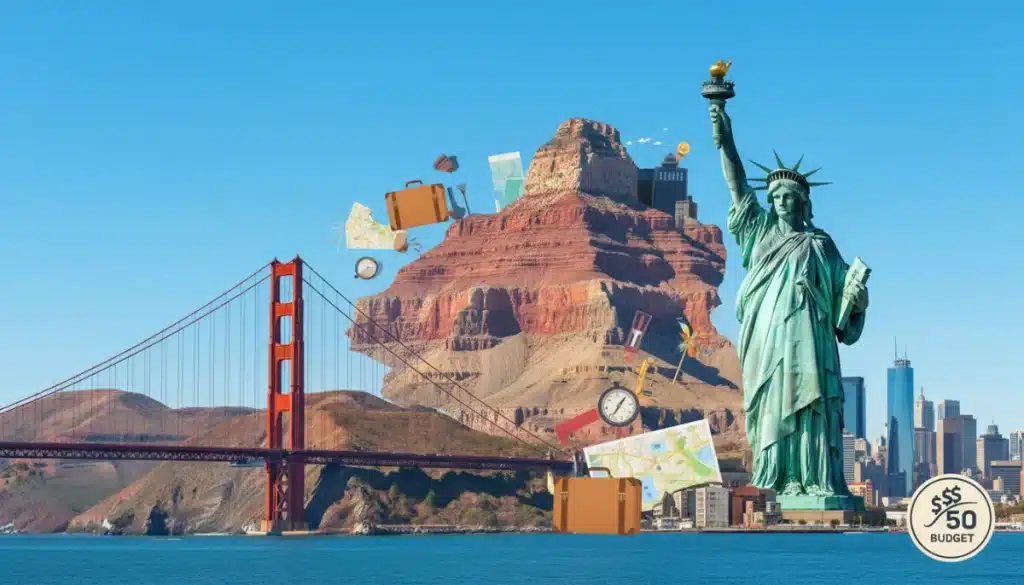
Achieving budget travel in the US for under $50 a day in 2026 is entirely possible with strategic planning and smart choices, focusing on cost-effective accommodation, food, transportation, and free activities to maximize your experience without breaking the bank.
Are you dreaming of exploring the vast and diverse landscapes of the United States but worried about the cost? In 2026, traveling the US on a shoestring budget, specifically for under $50 a day, might seem like a daunting challenge. However, with careful planning and smart strategies, achieving this incredible feat is not only possible but can lead to some of the most authentic and memorable experiences of your life. This guide will provide Practical Solutions for 2026: How to Travel the US for Under $50 a Day, breaking down every aspect of your journey to help you save money without sacrificing adventure.
Anúncios
Mastering Accommodation: Sleeping Smart on a Budget
Accommodation often consumes the largest portion of a travel budget. To keep costs under $50 a day, you’ll need to think creatively and embrace alternatives to traditional hotels. This section explores various low-cost lodging options that can significantly reduce your expenses.
Finding free or very cheap places to sleep is fundamental for ultra-budget travel. These options might require a bit more planning or flexibility, but the savings are substantial.
Anúncios
Free and Low-Cost Lodging Options
- Camping: National Forests, Bureau of Land Management (BLM) lands, and some state parks offer free or very inexpensive campsites. Dispersed camping (boondocking) on public lands is often free and provides incredible solitude.
- Hostels: Ideal for solo travelers, hostels offer dormitory-style beds at a fraction of hotel prices. Many also have private rooms if you prefer more privacy, though these will be slightly more expensive.
- Couchsurfing: This global community connects travelers with local hosts who offer a free place to stay. It’s not just about saving money; it’s also a fantastic way to meet locals and experience a destination authentically.
- House Sitting: For longer stays in one area, house sitting can provide free accommodation in exchange for looking after someone’s home and pets. Websites like TrustedHousesitters connect sitters with homeowners.
By prioritizing these budget-friendly accommodation choices, you lay a strong foundation for keeping your daily expenses well within the $50 limit. Flexibility with your travel dates and locations can also open up more affordable options.
Frugal Food Strategies: Eating Well for Less
Food expenses can quickly add up, especially when constantly eating out. To maintain a budget of under $50 a day, preparing your own meals and making smart dining choices are crucial. This approach not only saves money but can also lead to healthier eating habits on the road.
Cooking your own food is arguably the most effective way to cut down on daily expenses. This means prioritizing grocery stores over restaurants and planning your meals.
Cooking and Smart Eating Tips
- Grocery Stores: Stock up on staples like pasta, rice, beans, oats, bread, and fresh produce. Many hostels and campsites have shared kitchens, making it easy to prepare meals.
- Picnics and Packed Lunches: Instead of buying expensive meals at tourist attractions, pack your own sandwiches, salads, or snacks. Enjoying a picnic in a scenic spot can be an experience in itself.
- Cook in Bulk: If you have access to cooking facilities, prepare larger batches of food that can last for a few days. This saves time and money.
- Free Water: Always carry a reusable water bottle and refill it whenever possible. Many public places, parks, and even some businesses offer free water refills.
When dining out, look for happy hour specials, early bird dinners, or lunch menus which are typically cheaper than dinner. Street food can also be a more affordable and authentic alternative to sit-down restaurants. 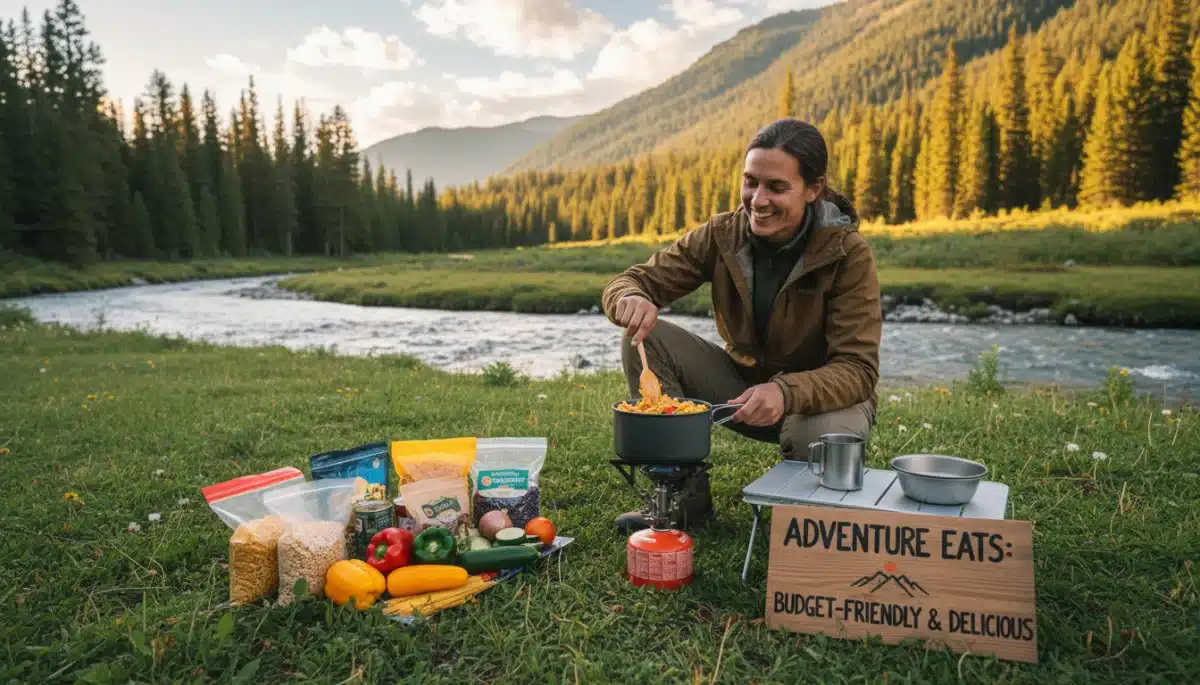
Navigating on a Dime: Ultra-Low-Cost Transportation
Transportation can be one of the trickiest aspects of budget travel in a country as vast as the US. However, with strategic planning, you can minimize these costs significantly. This section focuses on methods that keep you moving without draining your wallet.
Avoiding personal vehicle rentals and relying on shared or alternative transport methods is key. Patience and flexibility are your best allies when it comes to cheap travel.
Affordable Travel Modes
- Buses: Companies like Greyhound and Megabus offer intercity travel at relatively low prices, especially if booked in advance. Look out for promotional fares.
- Ride-sharing and Carpooling: Platforms like BlaBlaCar (though less prevalent in the US than Europe) or local ride-share groups can help you find rides with others going in the same direction, sharing fuel costs.
- Hitchhiking: While not for everyone and requiring caution, hitchhiking remains a free mode of transport in many parts of the US, particularly in rural areas. Always prioritize safety.
- Biking and Walking: For shorter distances within cities or towns, walking and biking are not only free but also excellent ways to experience a place intimately. Many cities offer bike-sharing programs.
Consider the total cost of ownership for a vehicle, including gas, insurance, and maintenance. Often, a combination of public transport, ride-sharing, and walking can be more economical than driving your own car or renting one, especially if you stick to urban areas or well-connected regions.
Free and Affordable Activities: Maximizing Your Experience
Travel isn’t just about getting from point A to point B; it’s about the experiences you have along the way. Fortunately, the US offers a wealth of free or very low-cost activities that can enrich your trip without exceeding your daily budget. This section highlights how to find and enjoy these experiences.
Many of the most memorable travel experiences don’t cost a dime. Nature, culture, and local events often provide the best entertainment.
Budget-Friendly Attractions and Entertainment
- National and State Parks: Many national parks have entrance fees, but some offer free days, and state parks are often cheaper or free. Exploring hiking trails, scenic overlooks, and visitor centers can fill days with adventure.
- Free Museums and Galleries: Many major cities have museums with free admission or donation-based entry. Check local tourism websites for free cultural events, art walks, and concerts.
- Public Libraries: Beyond offering free internet access, libraries often host free workshops, talks, and community events. They can also be a great place to relax and read.
- Walking Tours: Look for free walking tours, often run by volunteers or on a tip-only basis, to learn about a city’s history and culture from a local perspective.
Engaging with locals and seeking out community events can lead to unique and often free experiences. Don’t underestimate the simple pleasure of people-watching in a park or exploring a new neighborhood on foot.
Smart Budgeting and Planning: The Foundation of Frugal Travel
Successful budget travel, especially for under $50 a day, requires meticulous planning and strict adherence to a daily budget. This section provides strategies for managing your money effectively before and during your trip.
A well-defined budget and an understanding of where your money is going are essential. Tracking expenses helps you stay on course.
Financial Planning Essentials
- Track Every Penny: Use a budgeting app or a simple spreadsheet to record all your expenses. This helps you identify areas where you might be overspending and make adjustments.
- Create a Daily Budget Breakdown: Allocate specific amounts for accommodation, food, transportation, and activities. For example, $10 for accommodation, $15 for food, $10 for transport, and $15 for activities.
- Emergency Fund: Even on a tight budget, it’s wise to have a small emergency fund for unexpected expenses, like a minor medical issue or a sudden change in travel plans.
- Travel Insurance: While an added cost, travel insurance can save you a significant amount of money in case of emergencies, making it a wise investment for peace of mind.
Flexibility is also a key component of budget travel. Being open to changing your plans based on available deals or unexpected opportunities can lead to both savings and unique experiences. Always compare prices and look for discounts.
Embracing the Lifestyle: Mindset for Ultra-Budget Travel
Traveling the US for under $50 a day isn’t just about financial tactics; it’s also about adopting a particular mindset. It requires patience, adaptability, and a willingness to step outside your comfort zone. This section explores the psychological aspects of ultra-budget travel.
A positive attitude and an adventurous spirit will make the challenges of budget travel seem like part of the adventure, rather than obstacles.
Cultivating the Frugal Traveler Mindset
- Embrace Simplicity: Learn to appreciate the simple things – a beautiful sunset, a friendly conversation, a home-cooked meal. These experiences are often more fulfilling than expensive attractions.
- Be Resourceful: Learn to fix minor issues yourself, ask locals for advice, and seek out free resources. A resourceful traveler can often find solutions where others see problems.
- Flexibility is Key: Plans can change. A cheap bus might be delayed, or a free campsite might be full. Being able to adapt and find alternative solutions without stress is crucial.
- Connect with Locals: Engaging with people from different backgrounds can lead to unexpected opportunities, deeper cultural understanding, and sometimes even free meals or rides.
This approach to travel fosters resilience and a deeper appreciation for your journey. It transforms potential hardships into valuable learning experiences, making your trip not just affordable, but profoundly enriching.
| Key Strategy | Brief Description |
|---|---|
| Accommodation Hacks | Prioritize free camping, hostels, Couchsurfing, or house sitting to drastically cut lodging costs. |
| Budget Food Prep | Cook your own meals from grocery stores, pack lunches, and refill water bottles to save on dining. |
| Cost-Effective Transport | Utilize buses, ride-sharing, biking, and walking; avoid costly car rentals and flights where possible. |
| Free Activities | Explore national parks, free museums, public libraries, and local events for entertainment. |
Frequently Asked Questions About Budget US Travel
Yes, it is entirely possible, but it requires diligent planning, flexibility, and a willingness to embrace alternative options for accommodation, food, and transportation. Success hinges on making smart choices and prioritizing experiences over luxury.
The best options include free dispersed camping on public lands, low-cost campsites in state parks, hostels, Couchsurfing, and house sitting. These alternatives significantly reduce your lodging expenses compared to hotels.
Cooking your own meals from grocery store purchases is paramount. Pack picnics, carry a reusable water bottle, and seek out affordable local eateries or street food instead of expensive restaurants. Bulk cooking also helps.
Long-distance buses (Greyhound, Megabus), ride-sharing, hitchhiking (with caution), and extensive use of walking or biking within cities are your best bets. Avoid renting cars or taking flights unless absolutely necessary.
Absolutely. The US boasts numerous free national and state parks (some with free entry days), public museums, art galleries, libraries, and community events. Exploring nature and local culture often costs nothing.
Conclusion
Traveling the United States for under $50 a day in 2026 is a challenging yet rewarding endeavor that is well within reach for the determined traveler. By strategically planning your accommodation, mastering frugal eating habits, opting for low-cost transportation, and seeking out free activities, you can unlock incredible adventures without breaking the bank. This approach not only saves money but also fosters a deeper connection with the places you visit and the people you meet. Embrace the mindset of a resourceful and flexible explorer, and prepare for an unforgettable journey across the diverse landscapes of America, proving that memorable travel doesn’t require a lavish budget.
