2026 Pet-Friendly Travel US: Rules, Resources, & Tips

Anúncios
The 2026 guide to pet-friendly travel in the US provides crucial rules, resources, and five key tips for ensuring a safe and enjoyable journey with your furry companions nationwide.
Embarking on an adventure with your beloved pet can be one of life’s greatest joys. As we look towards 2026, understanding the evolving landscape of pet-friendly travel in the US is crucial. This guide is designed to equip you with the knowledge and resources needed to ensure a seamless and memorable experience for both you and your furry companion, from navigating regulations to finding the perfect pet-welcoming destinations.
Anúncios
Understanding 2026 Pet Travel Regulations and Requirements
Traveling with pets, especially across state lines or via different modes of transport, involves a specific set of rules that are continually updated. For 2026, while many core regulations remain consistent, there’s an increased emphasis on health certifications and responsible pet ownership. Familiarizing yourself with these guidelines well in advance can prevent last-minute complications and ensure a stress-free trip.
Health Certificates and Vaccinations
Most states and all airlines require up-to-date vaccinations, particularly for rabies. A health certificate issued by a licensed veterinarian, typically within 10 days of travel, is often mandatory. This document confirms your pet is healthy enough for travel and free from contagious diseases. It’s not just a formality; it’s a safeguard for your pet and others.
Anúncios
- Rabies Vaccination: Universally required for interstate travel.
- Other Vaccinations: Distemper, parvovirus, and kennel cough are often recommended or required, especially for boarding or dog parks.
- Health Certificate: Essential for air travel and recommended for long-distance road trips.
Beyond vaccinations, some states may have specific entry requirements for certain breeds or species. Always check the official tourism or agricultural websites of your destination state to ensure full compliance. This proactive approach ensures you’re prepared for any specific local ordinances.
Choosing Pet-Friendly Accommodations and Transportation
The success of your pet-friendly travel in the US heavily relies on selecting suitable lodging and transport. From airlines to hotels, not all establishments welcome pets equally. Researching and booking in advance is paramount to avoid disappointment and ensure comfort for your animal companion.
Air Travel with Pets in 2026
Airlines have distinct policies regarding pets, which can vary significantly. Generally, small pets that can fit under the seat in a carrier are allowed in the cabin, while larger animals must travel as cargo. However, emotional support animal regulations have tightened, and service animals continue to have specific protections. Always confirm with your chosen airline directly for their most current policies, fees, and carrier requirements.
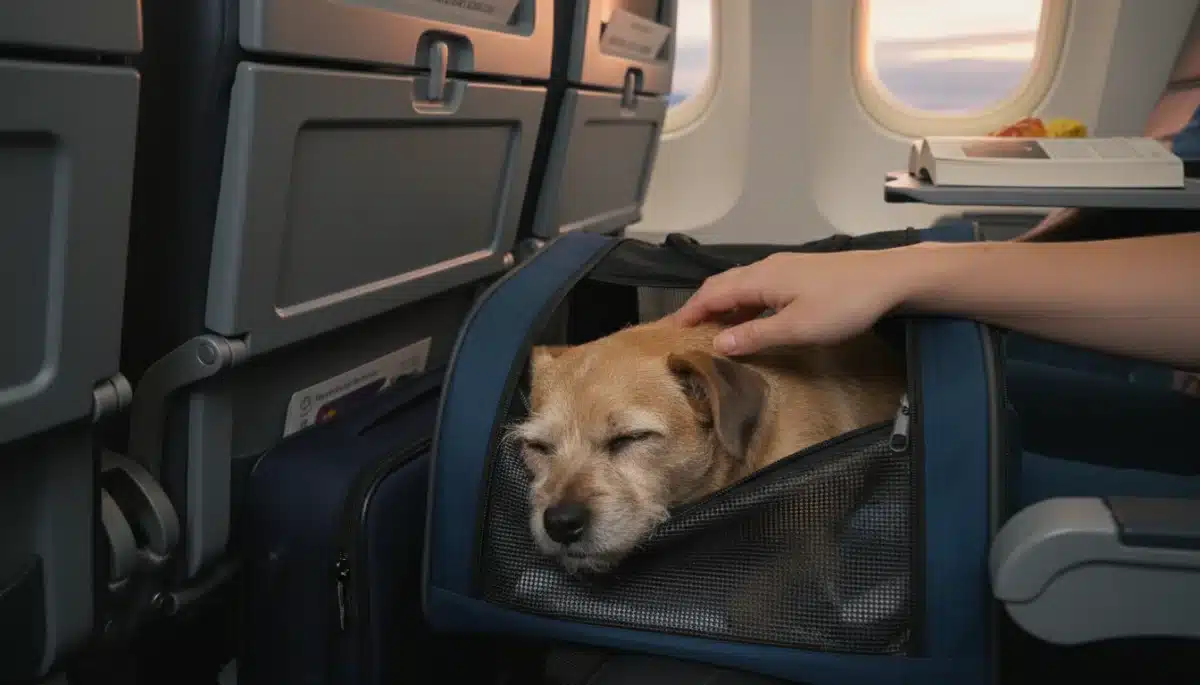
When flying, consider direct flights to minimize stress and potential delays. Ensure your pet’s carrier is comfortable, well-ventilated, and clearly labeled with your contact information. Acclimating your pet to the carrier before the trip can also make a significant difference in their comfort level during travel.
Road Trips and Pet-Friendly Stays
Road trips offer more flexibility for pet owners. Many hotels, motels, and vacation rentals now proudly advertise as pet-friendly. Websites and apps dedicated to pet travel can help you find suitable accommodations. Remember to inquire about any additional pet fees, weight restrictions, or specific pet policies (e.g., designated pet areas, leash rules).
- Hotels: Brands like La Quinta, Kimpton, and Loews are known for being pet-welcoming.
- Vacation Rentals: Airbnb and VRBO offer extensive filters for pet-friendly properties.
- RV Travel: Provides maximum flexibility and comfort for pets on the road.
When planning a road trip, factor in frequent stops for your pet to stretch their legs, hydrate, and relieve themselves. Secure your pet safely in the vehicle using a crate, car seat, or harness to prevent distractions and ensure their safety in case of sudden stops.
Essential Resources for Seamless Pet Travel
Navigating pet-friendly travel in the US is made easier with the right resources. Several online platforms, organizations, and apps are dedicated to assisting pet owners in planning and executing their trips. Utilizing these tools can save time and reduce stress significantly.
Top Online Platforms and Apps
In 2026, digital resources are more sophisticated than ever. Websites like BringFido, PetsWelcome, and GoPetFriendly offer extensive databases of pet-friendly hotels, restaurants, attractions, and even emergency veterinary services. Many also include user reviews, providing valuable insights into the actual pet-friendliness of a location.
- BringFido: Comprehensive directory for pet-friendly places worldwide.
- PetsWelcome: Focuses on accommodations and travel tips for pets.
- RVWithPets: Specific resources for RV travelers with animals.
Beyond general directories, consider apps that provide information on local dog parks, pet services, and even pet first aid. Having these resources readily available on your smartphone can be invaluable, especially when you’re in an unfamiliar area. Always cross-reference information with direct calls to establishments to confirm current policies.
Veterinary and Emergency Contacts
Before any trip, ensure your pet’s microchip information is up-to-date and that they wear an ID tag with your current contact details. Carry a copy of their vaccination records and any necessary health certificates. Research emergency veterinary clinics along your route and at your destination. Knowing where to go in a crisis can be a lifesaver.
Consider pet insurance that covers emergency care while traveling. Some policies offer broader coverage that extends beyond your home state. Always pack a small pet first-aid kit with essentials like bandages, antiseptic wipes, and any prescribed medications your pet may need.
5 Key Tips for a Stress-Free Pet Travel Experience in 2026
Successful pet-friendly travel in the US goes beyond just knowing the rules; it involves thoughtful preparation and consideration for your pet’s well-being. These five tips are designed to help you create a smooth and enjoyable journey for everyone involved.
1. Prioritize Your Pet’s Comfort and Safety
Your pet’s comfort is paramount. Ensure they have a familiar bed, toys, and plenty of fresh water. Never leave your pet unattended in a vehicle, especially in extreme temperatures. Use appropriate restraints during car travel to prevent injury and distraction. A comfortable pet is a happy traveler.
When planning activities, always consider your pet’s breed, age, and temperament. Some pets thrive on long hikes, while others prefer leisurely strolls. Avoid over-scheduling and allow for plenty of downtime. Providing a consistent routine, even while traveling, can help reduce anxiety.
2. Pack a Dedicated Pet Travel Kit
Just like you pack for yourself, create a separate bag for your pet’s essentials. This should include food, water, bowls, medications, waste bags, a leash, collar, toys, grooming supplies, and a comfort item like a blanket or favorite toy. Having everything in one place makes it easy to access and ensures you haven’t forgotten anything crucial.
Consider bringing bottled water from home or using filtered water if your pet has a sensitive stomach, as changes in water can sometimes cause digestive upset. Pack more food than you think you’ll need, just in case of travel delays or unexpected changes in plans.
3. Plan for Pet-Friendly Activities
Research pet-friendly attractions at your destination. Many national parks, state parks, beaches, and outdoor malls welcome leashed pets. Look for dog parks, pet-friendly trails, and restaurants with outdoor seating that allow pets. Integrating your pet into your travel plans ensures they’re not just accompanying you, but truly participating in the adventure.
- National Parks: Often have designated pet-friendly trails and areas.
- Beaches: Many coastal towns offer specific times or sections for dogs.
- Outdoor Dining: A growing number of restaurants welcome well-behaved, leashed pets on their patios.
Always double-check the specific rules for each location, as policies can change. Respect local signage and ensure your pet is always under control. This helps maintain access for all pet owners in the future.
4. Practice and Acclimatize Your Pet
If your pet isn’t used to traveling, start with short trips before embarking on a long journey. Take them on car rides, introduce them to their carrier, and expose them to new environments gradually. This helps reduce anxiety and makes the actual travel day less stressful. Positive reinforcement, like treats and praise, can make these experiences more positive.
For pets prone to motion sickness, consult your veterinarian about preventive measures or medications. Some pets benefit from calming supplements or pheromone sprays. The goal is to make travel a positive association for your pet, not a source of fear or discomfort.
5. Be Prepared for the Unexpected
Despite meticulous planning, unforeseen circumstances can arise. Carry a recent photo of your pet, along with your contact information, in case they get lost. Have a contingency plan for emergencies, such as a list of nearby veterinary clinics and pet sitters. Flexibility is key when traveling with pets.
It’s also wise to have a backup plan for accommodations or activities in case an advertised pet-friendly spot turns out to be less so upon arrival. Being adaptable and having alternative options will ensure that minor setbacks don’t derail your entire trip. Always prioritize your pet’s well-being above all else.
Navigating Pet Health and Wellness on the Road
Maintaining your pet’s health and well-being while traveling is just as important as planning the logistics of the trip itself. Changes in environment, diet, and routine can sometimes lead to stress or minor health issues. Being prepared for these eventualities ensures your pet remains happy and healthy throughout your journey.
Dietary Consistency and Hydration
Sticking to your pet’s regular diet is crucial to avoid digestive upset. Bring enough of their usual food for the entire trip, along with any treats they enjoy. Sudden changes in food can cause stomach issues, which are particularly undesirable when traveling. Portable, collapsible bowls are excellent for ensuring your pet has access to fresh water at all times, especially during car rides and outdoor activities.
Dehydration can be a serious concern, especially in warmer climates or during active excursions. Offer water frequently, and be mindful of the signs of dehydration, such as lethargy, dry gums, and sunken eyes. Electrolyte supplements designed for pets can be a good addition to your travel kit, especially for very active animals.
Managing Stress and Anxiety
Travel can be stressful for some pets. Familiar items like a favorite blanket or toy can provide comfort. Maintaining a consistent routine for feeding and walks can also help. Consider using calming aids such as pheromone diffusers, thunder shirts, or veterinary-approved anti-anxiety medications if your pet is particularly prone to stress. Always consult your vet before administering any new medication.
Allowing your pet plenty of opportunities for exercise and mental stimulation can also help alleviate boredom and anxiety. A tired pet is often a calm pet. Engage them with toys or short training sessions during breaks to keep them stimulated and happy.
Legal and Ethical Considerations for Pet Travelers
As pet-friendly travel in the US becomes more common, understanding the legal and ethical responsibilities that come with it is vital. Adhering to local laws and being a considerate pet owner ensures that public spaces remain welcoming for pets and their human companions.
Leash Laws and Waste Management
Almost all public spaces in the US have strict leash laws. Always keep your pet on a leash, even in areas where they seem to have more freedom, unless explicitly stated otherwise (e.g., designated off-leash dog parks). This protects your pet from hazards and prevents conflicts with other animals or people.
Responsible waste management is non-negotiable. Always carry waste bags and clean up after your pet immediately. Failing to do so can result in fines and contributes to a negative perception of pet owners, potentially leading to restrictions on pet access in public areas. Being a good steward of public spaces is key to maintaining pet-friendly environments.
Respecting Local Wildlife and Communities
When exploring natural areas, keep your pet away from local wildlife. Leashing your pet helps prevent them from disturbing or harming animals and their habitats. Be aware of local regulations regarding pets in wilderness areas, as some parks or trails may prohibit pets to protect sensitive ecosystems.
Be mindful of local communities. Not everyone is comfortable with pets, and some individuals may have allergies or fears. Always ask before allowing your pet to approach others. Keep your pet from barking excessively, especially in quiet areas or during late hours, to avoid disturbing residents and fellow travelers. Ethical pet ownership contributes to a positive experience for everyone.
| Key Aspect | Brief Description |
|---|---|
| Health & Documentation | Ensure up-to-date vaccinations and health certificates for smooth travel. |
| Accommodation & Transport | Book pet-friendly options in advance; understand airline and hotel policies. |
| Preparation & Comfort | Pack essentials, acclimatize pets, and plan for their comfort and safety. |
| Resources & Contingency | Utilize pet travel apps and have emergency contacts readily available. |
Frequently Asked Questions About Pet Travel in the US
The most crucial documents include an up-to-date rabies vaccination certificate and a health certificate issued by a licensed veterinarian. For air travel, airlines often have specific forms. Always carry your pet’s microchip registration and your contact information.
Utilize specialized websites and apps like BringFido or GoPetFriendly, which allow filtering for pet-friendly options. Always call the establishment directly to confirm their current pet policies, fees, and any restrictions on size or breed before booking your stay.
Introduce your pet to their carrier or car restraint gradually before the trip. Bring familiar items like blankets and toys. Plan frequent stops for walks and hydration. Consult your vet about calming aids if your pet experiences significant anxiety during travel.
Yes, most US National Parks have specific pet regulations. Pets are generally allowed in developed areas, on roads, and in campgrounds, but often restricted from trails and wilderness areas to protect wildlife. Always check the specific park’s website before visiting.
Carry a pet first-aid kit and a list of emergency veterinary clinics along your route and at your destination. If a serious issue arises, contact the nearest emergency vet immediately. Ensure your pet’s microchip is registered with current contact details.
Conclusion
As we’ve explored, successful pet-friendly travel in the US in 2026 is entirely achievable with careful planning and a proactive approach. By understanding the evolving regulations, leveraging available resources, and implementing key tips for comfort and safety, you can create unforgettable memories with your furry companion. Remember, responsible pet ownership is the cornerstone of enjoyable and sustainable travel for everyone, ensuring that the open road remains welcoming for pets for years to come. Your digital journey begins here with us, providing you with the essential insights to make every adventure a tail-wagging success.
