Budget-Friendly US National Park Trips Under $75 Per Day (2026)
Anúncios
Planning budget national park trips for under $75 a day in 2026 is achievable by strategically managing accommodation, food, transportation, and activities, ensuring a memorable adventure without overspending.
Anúncios
Are you dreaming of exploring the breathtaking landscapes of America’s national parks but worried about the cost? In 2026, planning budget national park trips for under $75 per day is not only possible but entirely achievable with smart planning and a few insider tips. This guide will show you how to maximize your adventure without emptying your wallet.
Understanding Your Budget Framework for National Parks
Embarking on a national park adventure requires a clear understanding of where your money will go. The $75 per day budget might seem challenging, but it becomes manageable once you break down expenses into key categories: accommodation, food, transportation, and activities. Each category offers numerous opportunities for cost-saving without compromising the quality of your experience.
Anúncios
Effective budgeting starts with identifying your priorities. Do you value comfort over cost for sleeping? Are you willing to cook all your meals, or do you prefer occasional dining out? Answering these questions will help you allocate your $75 daily budget effectively, ensuring you get the most out of your visit to these natural treasures.
Accommodation: Your Biggest Cost-Saver
When it comes to lodging, national parks offer a spectrum of options. While iconic lodges can be pricey, several budget-friendly alternatives exist. Camping is by far the most economical choice, with many campgrounds within or just outside park boundaries offering sites for $10-$30 per night. Backcountry camping, where permitted, can be even cheaper or free, requiring only a permit.
- Campgrounds: Reserve well in advance, especially for popular parks.
- Dispersed Camping: Utilize Bureau of Land Management (BLM) or National Forest lands adjacent to parks for free camping.
- Hostels/Budget Motels: Look for these in nearby towns if camping isn’t an option.
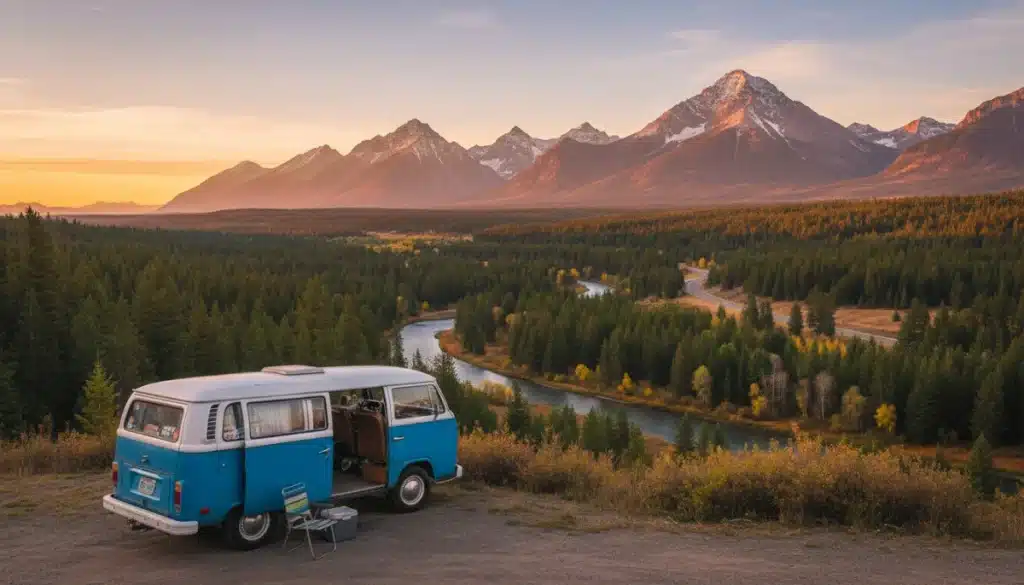
Another emerging trend for 2026 is the rise of affordable rental services for basic RVs or campervans, which can sometimes be more cost-effective than combining a rental car with nightly hotel stays, especially if you plan to visit multiple parks. By prioritizing affordable sleeping arrangements, you lay the foundation for a successful budget trip.
Securing affordable accommodation is paramount for keeping your trip under budget. Whether it’s pitching a tent under the stars or finding a low-cost bed in a nearby town, careful planning here can free up significant funds for other aspects of your adventure.
Mastering Meal Planning and Food Costs
Food can quickly become a major expense, but with smart planning, it doesn’t have to be. The key to saving money on meals during your national park trip is to cook most of your own food. This means packing non-perishable staples and utilizing a portable stove or campground facilities.
Before you leave, plan out your meals for each day. This not only helps with budgeting but also ensures you have enough sustenance for your adventures. Focus on simple, hearty meals that require minimal cooking and ingredients. Think oatmeal for breakfast, sandwiches or wraps for lunch, and pasta or dehydrated meals for dinner.
Smart Grocery Shopping and Packing
Stock up on groceries before entering the park. Prices for food items within park boundaries or in small gateway towns are often inflated. Visit larger supermarkets in bigger cities on your way to the park for better deals and a wider selection. Consider bringing a cooler with ice to keep perishables fresh for a few days.
- Bulk Buying: Purchase items like rice, pasta, and trail mix in larger quantities.
- DIY Snacks: Prepare your own granola bars, fruit and nut mixes.
- Water Filters: Invest in a water filter or purification tablets to avoid buying bottled water.
Don’t forget reusable water bottles and coffee mugs. This not only saves money but also reduces waste, aligning with the conservation ethos of national parks. An occasional treat, like an ice cream or a local delicacy, can be budgeted for, but the bulk of your meals should be self-prepared.
By taking control of your food expenses through careful meal planning and smart shopping, you can significantly reduce your daily spending, allowing you to allocate more funds to park entrance fees or unique experiences.
Navigating Transportation on a Shoestring
Transportation costs, including fuel and park entrance fees, can quickly add up. For 2026, efficient planning is crucial to minimize these expenses. Consider carpooling if traveling with friends or family, as this splits fuel costs and entrance fees.
The America the Beautiful Pass is an absolute must-have for frequent national park visitors. For $80, it grants access to all national parks and federal recreational lands for a full year. This pass pays for itself after just a few visits, making it an invaluable tool for budget travelers.
Fuel Efficiency and Route Optimization
Drive a fuel-efficient vehicle if possible. Planning your routes to minimize unnecessary driving within and between parks can also save a considerable amount on gas. Many parks offer shuttle services; utilize these whenever available to reduce your vehicle’s mileage and parking hassles.
- America the Beautiful Pass: Purchase this annual pass to cover entrance fees.
- Carpooling: Share costs with travel companions.
- Park Shuttles: Use internal park transportation to save on gas and parking.
Consider visiting national parks that are geographically close to each other to reduce travel time and fuel consumption. For example, Zion and Bryce Canyon in Utah are relatively close and can be visited on a single road trip without excessive driving. Researching park layouts and shuttle systems before your visit can help you plan your itinerary for maximum efficiency.
Minimizing transportation expenses through passes, carpooling, and smart route planning is a cornerstone of a budget-friendly national park adventure, ensuring more of your budget goes towards experiencing the parks themselves.
Free and Low-Cost Activities within the Parks
The beauty of national parks is that many of the most incredible experiences are absolutely free or very low cost. Hiking, wildlife viewing, stargazing, and scenic drives are all included with your park entrance fee (or annual pass). These activities offer unparalleled opportunities to connect with nature without spending extra money.
Many parks offer ranger-led programs, such as guided hikes, campfire talks, and educational presentations, which are typically free and provide valuable insights into the park’s ecology, history, and geology. Check the park’s official website or visitor center for a schedule of these programs.
Embracing Nature’s Offerings
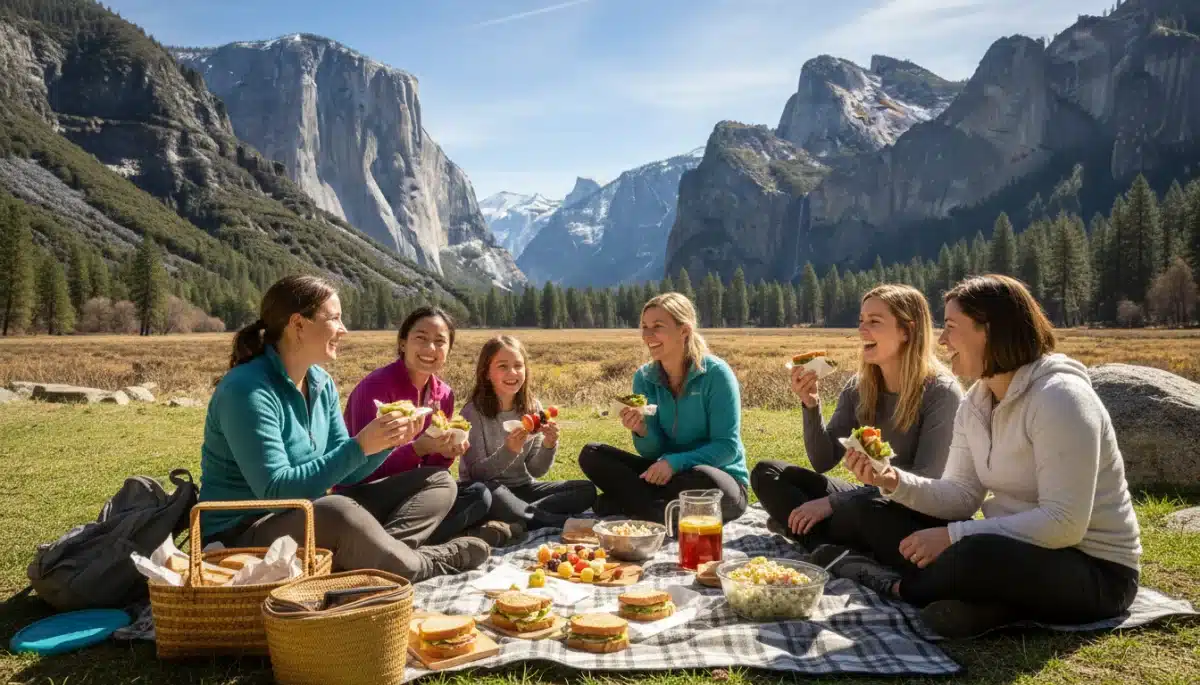
Pack a picnic and enjoy a meal with a stunning view. Bring a camera to capture the majestic scenery and diverse wildlife. For those interested in birdwatching or photography, the parks provide endless subjects. Simply sitting and observing the natural world can be an incredibly rewarding and free activity.
- Hiking: Explore countless trails for all skill levels.
- Wildlife Viewing: Bring binoculars for an enhanced experience.
- Stargazing: Many parks are designated Dark Sky Parks, offering incredible night sky views.
Another excellent free activity is simply exploring the visitor centers. They often feature informative exhibits, films, and gift shops (which you can browse without buying anything). Collecting park stamps in a national park passport book is a fun, low-cost souvenir that chronicles your adventures.
Focusing on the inherent natural beauty and free educational opportunities within national parks allows you to have a rich and fulfilling experience without incurring additional costs beyond your initial entrance fee.
Strategic Park Selection for Budget Travelers
Not all national parks are created equal in terms of budget-friendliness. While popular parks like Yellowstone and Yosemite are incredible, they often come with higher demand, leading to more expensive accommodations and services. For a truly budget-conscious trip, consider exploring some of the lesser-known or smaller national parks.
Parks like Great Sand Dunes National Park and Preserve in Colorado, Congaree National Park in South Carolina, or Badlands National Park in South Dakota offer unique experiences with generally lower visitation numbers, making it easier to find affordable camping and enjoy a less crowded environment. These parks often have simpler infrastructure, which can translate to lower operational costs and, in turn, more budget-friendly options for visitors.
Off-Peak Travel and Shoulder Seasons
Traveling during the off-peak or shoulder seasons (spring and fall) can dramatically reduce costs and crowds. Accommodation prices are typically lower, and some parks might even offer free entrance days or reduced fees. The weather can also be more pleasant for hiking and exploring compared to the intense heat of summer or the cold of winter.
- Lesser-Known Parks: Explore parks like Congaree or Badlands for lower costs.
- Off-Peak Seasons: Travel in spring or fall for better deals and fewer crowds.
- Flexibility: Be open to visiting parks based on current deals or availability.
Researching park-specific costs, such as individual campground fees, local grocery prices, and nearby lodging options, is crucial. Some parks, especially those close to major metropolitan areas, might have higher surrounding costs. Prioritizing parks where overall expenses are naturally lower will significantly aid in staying within your $75 daily budget.
Choosing your national park destinations wisely, especially considering less popular options and off-peak travel times, is a smart strategy for anyone aiming to enjoy America’s natural wonders on a tight budget.
Leveraging Technology and Community Resources
In 2026, technology plays an even greater role in planning budget-friendly travel. Numerous apps and websites are dedicated to helping travelers find free camping, cheap gas, and affordable attractions. Utilizing these resources can save you both money and time on the road.
Apps like iOverlander or The Dyrt can help you locate free or low-cost campsites, including dispersed camping on public lands. GasBuddy provides real-time gas prices, allowing you to fill up where it’s cheapest. Online forums and social media groups dedicated to national park travel or budget adventuring are also invaluable for sharing tips and finding up-to-date information from fellow travelers.
Community Forums and Discount Programs
Engaging with online communities can reveal hidden gems and local secrets that aren’t typically found in guidebooks. Travelers often share their experiences with specific parks, including budget hacks for food, accommodation, and activities. Don’t underestimate the power of shared knowledge.
- Camping Apps: Use iOverlander or The Dyrt for free/cheap campsites.
- Gas Price Trackers: Employ GasBuddy for the best fuel deals.
- Online Communities: Join forums for insider tips and shared experiences.
Look into discount programs for seniors, military personnel, or those with disabilities, as many national parks offer reduced or free annual passes. Even without these specific qualifications, signing up for newsletters from national park foundations or travel deal websites can sometimes alert you to special promotions or free entrance days.
By actively using available technology and tapping into the collective wisdom of the travel community, you can unlock even more opportunities to save money and enhance your budget national park trips for under $75 a day.
| Key Strategy | Budget Impact |
|---|---|
| Camping/Dispersed Camping | Significantly reduces accommodation costs to $0-$30/night. |
| Self-Prepared Meals | Cuts food expenses by avoiding expensive restaurant dining. |
| America the Beautiful Pass | Covers entrance fees for all federal lands for one year ($80). |
| Free Park Activities | Leverages hiking, wildlife viewing, and ranger programs at no extra cost. |
Frequently Asked Questions About Budget National Park Trips
Accommodation is typically the largest expense. Opting for camping, dispersed camping, or staying in budget-friendly motels outside park boundaries can drastically reduce this cost, often saving you $50-$100 per night compared to park lodges.
The best way to save on food is to buy groceries before entering the park and prepare your own meals. Pack a cooler, a portable stove, and focus on simple, hearty recipes. This approach can cut food costs by more than half.
The America the Beautiful Pass costs $80 and covers entrance fees for all national parks for a year. If you plan to visit three or more parks in a year, or even two parks with high entrance fees, it quickly pays for itself, making it very worthwhile.
Most of the best national park experiences are free! Enjoy hiking, scenic drives, wildlife viewing, stargazing, and attending ranger-led programs. These activities offer deep immersion in nature without incurring additional expenses.
Yes, smaller, less-visited parks often have lower costs for camping and nearby amenities. Additionally, visiting popular parks during the off-peak or shoulder seasons can significantly reduce expenses due to lower demand for accommodation and services.
Conclusion
Embarking on budget national park trips for under $75 per day in 2026 is an accessible goal for any adventurer. By strategically planning your accommodation, meticulously managing food costs, optimizing transportation, and embracing the myriad of free activities these natural wonders offer, you can create unforgettable memories without financial strain. The key lies in proactive research, smart decision-making, and a willingness to embrace the simpler, more authentic aspects of park exploration. With these strategies, America’s majestic landscapes are well within your reach.
